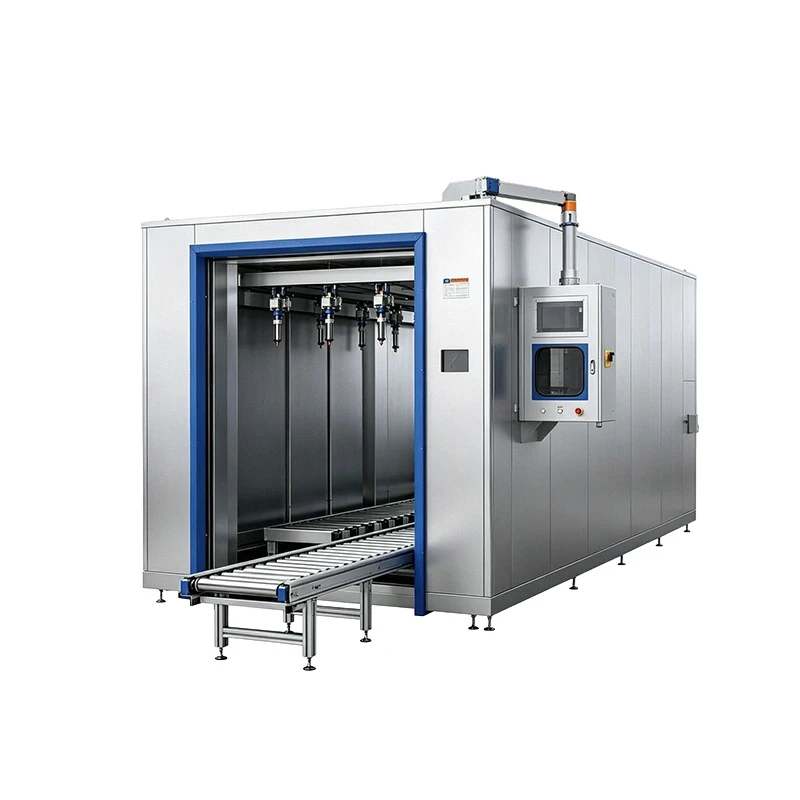
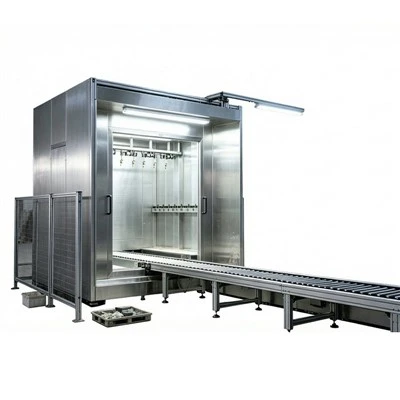
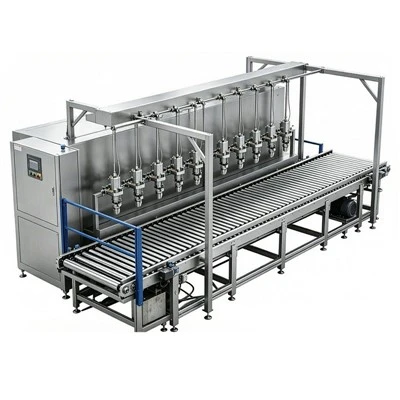
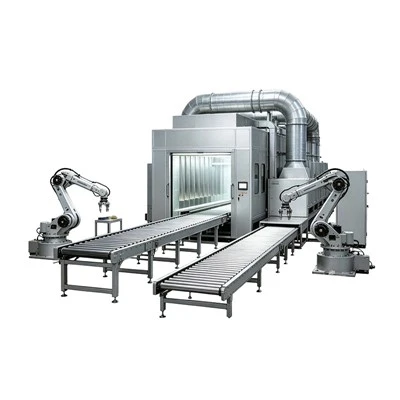
Electrostatic spraying methods can be broadly categorized into two types: pure electrostatic atomization and electrostatic atomization with auxiliary energy.
1) Pure electrostatic atomization
The rotary-bell electrostatic spray gun is the representative example of this method. Rotary spray guns feature a simple structure, are resistant to clogging, and are easy to clean. As they rely on mechanical centrifugal force for atomization, the conductivity requirements for coatings and solvents are relatively low (though good conductivity is still beneficial). They offer a large effective coverage area and high deposition efficiency, significantly improving coating uniformity; the resulting atomized coating is fine, yielding a flat and smooth surface finish. This method is particularly suitable for workpieces with simple shapes.
Its drawbacks include the formation of a "center hole" (a hollow center) in the spray pattern, making it difficult to coat complex shapes uniformly or reach recessed areas. Additionally, because different pigments possess varying charging characteristics, color unevenness may occur when spraying coatings formulated with multiple pigments.
2) Electrostatic atomization with auxiliary energy
Depending on the type of auxiliary energy used, this category is further divided into air atomization and hydraulic atomization methods. Cyclone-type spray guns and handheld electrostatic spray guns both utilize air atomization; they atomize the coating through the combined action of compressed air and electrostatic forces, making them capable of coating objects with complex shapes or large surface areas. The three serpentine nozzles on cyclone-type spray guns are adjustable, allowing for easy modification of the spray pattern diameter; this helps reduce or even eliminate the center-hole phenomenon, facilitating a more uniform coating. However, since solvents evaporate rapidly during air atomization-often leading to defects like "orange peel"-the coating formulation requirements are stringent: low viscosity combined with high solids content, good hiding power, slow solvent evaporation rates, and excellent flow properties. Furthermore, the pressure-driven airflow during atomization can propel charged paint particles beyond the range of electrostatic attraction; these particles fail to deposit on the workpiece, resulting in increased coating loss.
Hydraulic atomization involves a combination of high-pressure airless spraying and electrostatic spraying equipment. It utilizes pressure to force the liquid coating to a high-pressure level before ejecting it through a small nozzle orifice; upon exiting into the atmosphere, the high-pressure coating immediately undergoes rapid expansion and atomization.
Compared to air atomization, hydraulic atomization offers superior atomization quality, higher output, and greater coating efficiency, while the requirements for the coating material itself remain similar to those for air atomization.