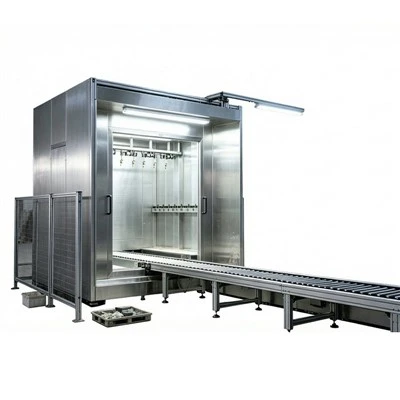
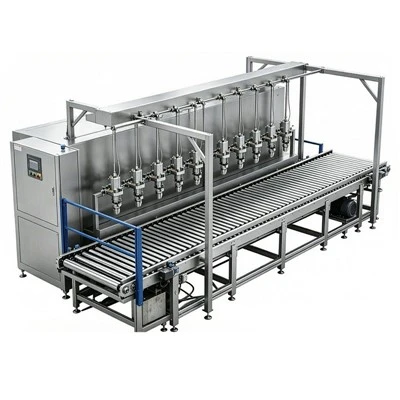
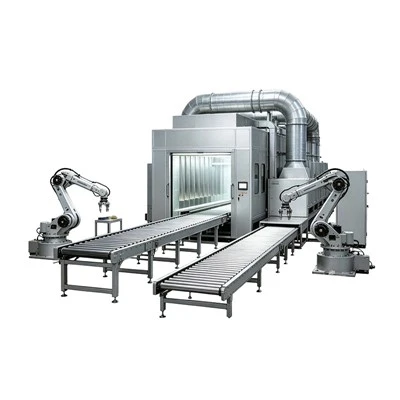
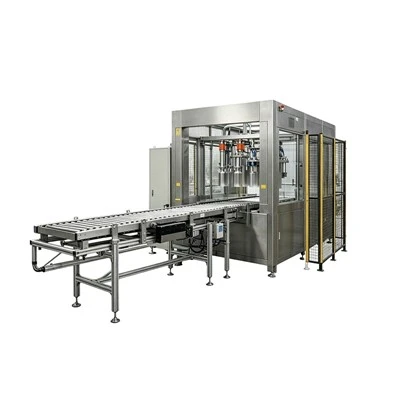
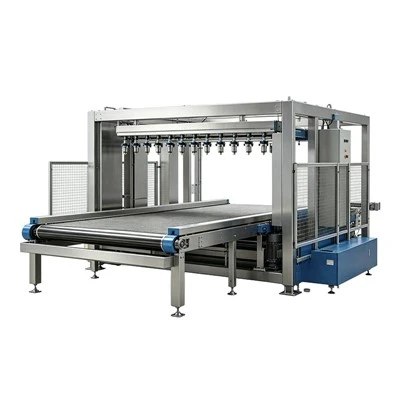
Spray painting environments often contain volatile organic compounds (VOCs) and dust, which can pose health risks to personnel. Manual spraying requires workers to operate in close proximity; even with protective gear, long-term exposure carries health hazards. Professional automated spraying equipment enables enclosed or semi-enclosed operations, isolating operators from the spraying zone and reducing the risk of exposure to harmful substances. These systems typically integrate ventilation and filtration units to further improve the workshop environment.
Some users may worry that automated spraying equipment is suitable only for standardized products and struggles to meet the demands of high-mix, low-volume production. In reality, modern professional automated spraying systems allow for the flexible adjustment of spray paths and parameters through programming; combined with vision recognition or sensors, they can accommodate workpieces of various shapes and sizes.