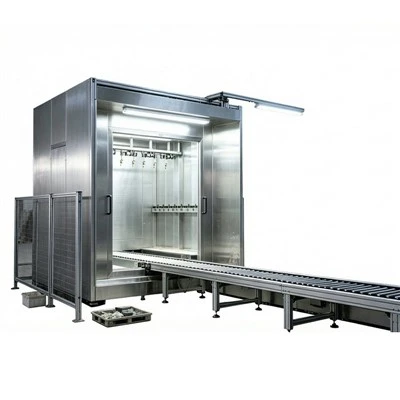
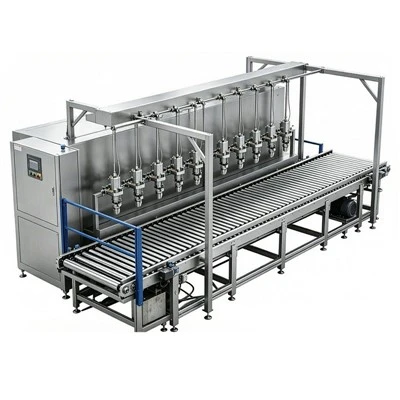
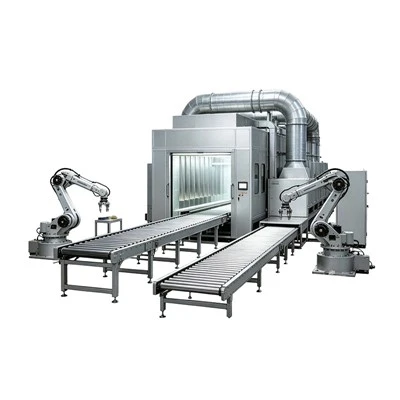
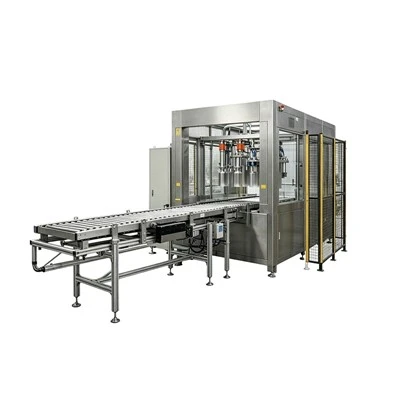
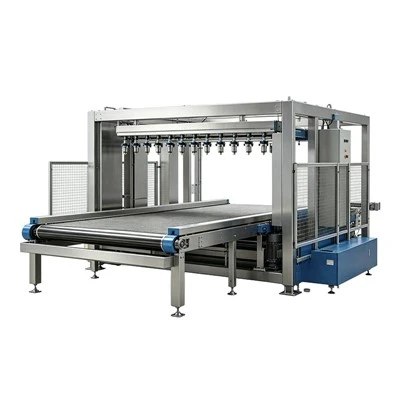
The first step is process analysis. Before selecting equipment, it is essential to conduct a detailed analysis of the product's material, shape, dimensions, and production volume requirements. Different products impose varying demands on spraying equipment; for instance, large, flat products are suited for reciprocating spraying machines, whereas products with complex curved surfaces require multi-axis robots. Accurate process analysis forms the foundation for selecting the appropriate equipment.
Next is system layout design. The spraying production line requires a rational arrangement of functional zones, including areas for loading, spraying, leveling, curing, and unloading. An optimized layout minimizes product transfer distances, reduces the footprint, and maximizes space utilization. Additionally, future capacity expansion should be considered, with appropriate space reserved for adjustments.
The third aspect involves preparing supporting facilities. Automated spraying equipment has specific requirements regarding infrastructure such as water, electricity, and compressed air. It is necessary to ensure sufficient power capacity, clean and dry compressed air, and water quality that meets standards. Environmental protection facilities-such as systems for exhaust gas treatment and wastewater discharge-must also be considered to comply with increasingly stringent environmental regulations.
Fourth is personnel training. Automated equipment requires skilled professionals for operation and maintenance. Enterprises should arrange for technical staff to undergo training provided by the equipment supplier in advance, ensuring they master the equipment's operating principles, operational techniques, and troubleshooting methods. Establishing comprehensive usage and maintenance protocols is crucial to ensuring the equipment's long-term, stable operation.
Finally, there is the assessment of investment benefits. An automated spraying production line entails significant capital investment, covering costs such as equipment procurement, installation and commissioning, and facility modifications. Enterprises should calculate the return on investment (ROI) period in detail and make informed decisions by comprehensively considering factors such as increased efficiency, improved quality, material savings, and reduced labor costs.